The Perfect Winter Plan for Iceland
Our ideal winter plan for Iceland aims to meet the desires of those looking for the finest experiences the country has in store. This 5-day exploration leads you into a realm of variety, blending urban comforts with exciting road trips.
Daylight and Weather
While Iceland is commonly seen as a summer destination, visiting during the winter offers various benefits in terms of atmosphere, scenery, and practicalities.
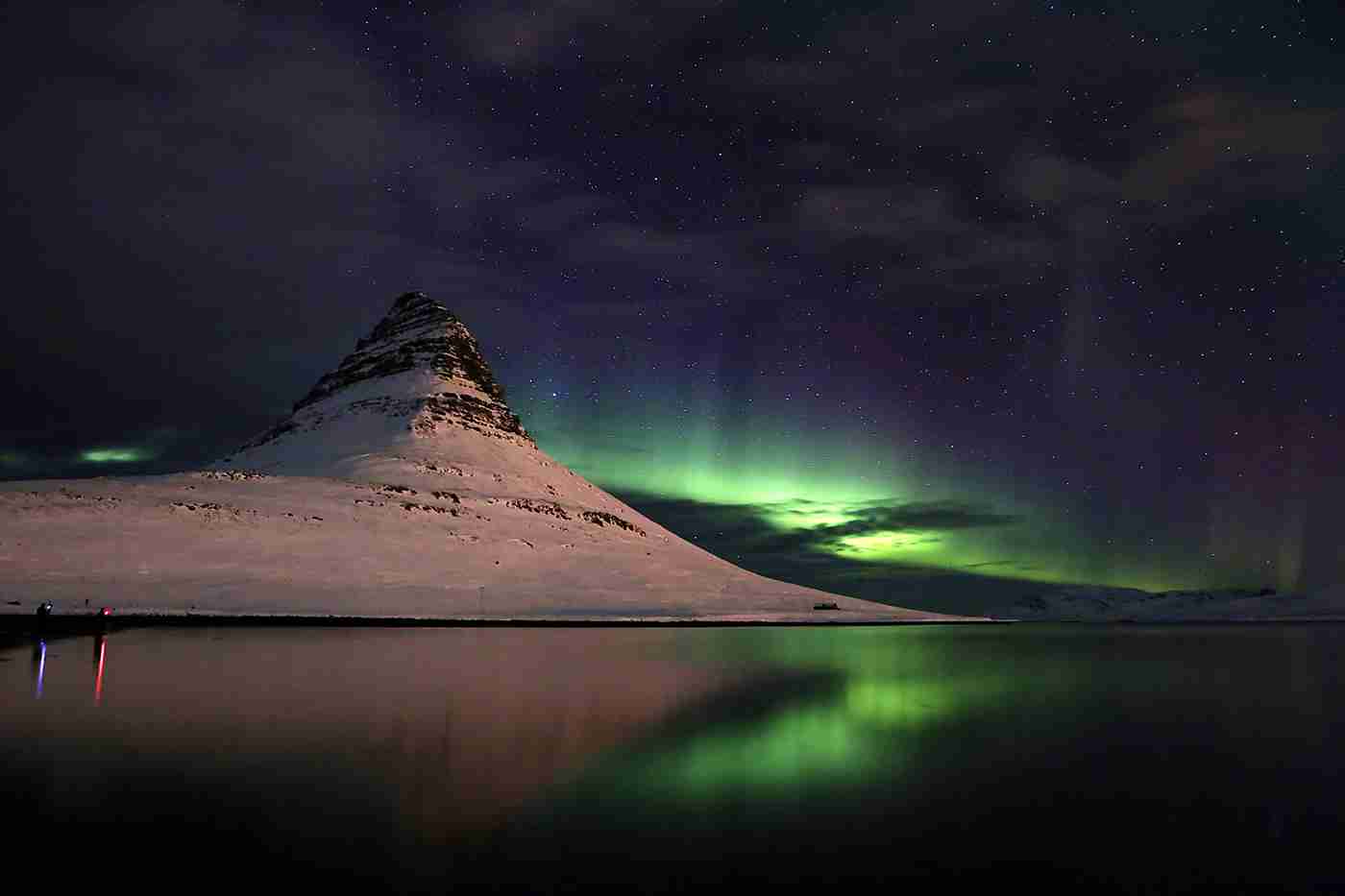
The island transforms into a stunning winter wonderland covered in frost and snow, with fewer vehicles on the roads, smaller crowds at popular sites, and the opportunity to witness the mesmerizing northern lights in Iceland during the dark winter nights.
Unlike the endless summer days with almost constant daylight, winter days in Iceland only have around 4-5 hours of sunlight.
To optimize your time, renting a car and carefully planning your drive based on the limited daylight is highly recommended.
Utilize the early morning darkness for traveling to your destinations and use the peaceful dark afternoons and evenings to relax at the top swimming pools in Reykjavík or explore the city’s bars and restaurants.
Additionally, the winter weather in Iceland is incredibly unpredictable during the short, cold days. Conditions can change rapidly from mild to severe, so understanding how to pack for travel in Iceland is crucial for a successful journey.
Essential Packing List for Iceland
Make sure to bring along multiple warm layers, sturdy waterproof hiking boots, and a cozy winter coat for your Icelandic adventure. With these essentials, you’ll be well-prepared to explore everything Iceland has to offer!
Day 1 – Explore Reykjavík
Upon your arrival at Keflavik International Airport, you will pick up your car rental and head towards Reykjavík, being mindful of the potential hazards of winter driving such as icy roads, strong winds, and limited visibility, requiring utmost vigilance.
If the weather allows, consider taking the less congested Route 420 instead of the busy Reykjanesbraut highway for a more relaxed journey.
Driving along the coastline, you will pass through the black lava fields of the Reykjanes peninsula, known for its volcanic activity and stark landscapes constantly shaped by the powerful North Atlantic waves.
Upon a one-hour drive, you will reach Reykjavík. By reserving your accommodation centrally, you have guaranteed easy access to various attractions, cafes, eateries, and things to do. Once you settle into your accommodation, take the opportunity to immerse yourself in the city’s charm by strolling around on foot.
The Ultimate Winter Itinerary for Iceland
If the weather forecast predicts clear skies and favorable conditions for the northern lights, you can witness the magical aurora borealis by taking a short drive to the outskirts of Reykjavík, away from the city lights.
Afterwards, unwind in one of the city’s geothermal pools and then immerse yourself in the vibrant nightlife of Reykjavík.
Remember not to stay out too late, as an exciting day awaits tomorrow!
Day 2 – Exploring The Golden Circle
During your second day in Iceland, you will discover The Golden Circle, known as the country’s most popular tourist route.
This scenic 300 km journey leads you to Iceland’s top three attractions, beginning with the Þingvellir (Parliamentary Fields) national park, designated as a UNESCO World Heritage Site. Here, you can explore the unique rift valley that lies between the North American and Eurasian tectonic plates.
Þingvellir National Park: A Historic Landmark
Þingvellir holds immense significance in Iceland as a national shrine due to both its geological and historical importance. It was the site of the Icelandic parliament, Alþingi, established in 930 AD and held sessions there until 1799. The parliament was later moved to Reykjavík in 1844.
Haukadalur Valley: A Geothermal Wonder
The next highlight on the Golden Circle route is the stunning Haukadalur valley, known for its raw geothermal energy. This area is home to the famous geysers Strokkur and Geysir, along with various otherworldly fumaroles, mud pots, and hot springs.
Geysir and Strokkur: Iceland’s Natural Wonders
Geysir, known for propelling boiling water over 70 meters into the air, has taken a back seat to Strokkur in recent years. Strokkur, a mighty neighbor, erupts every 10 minutes, shooting hot water 20 meters high in a mesmerizing display of thermal power.
Gullfoss: Iceland’s Golden Waterfall
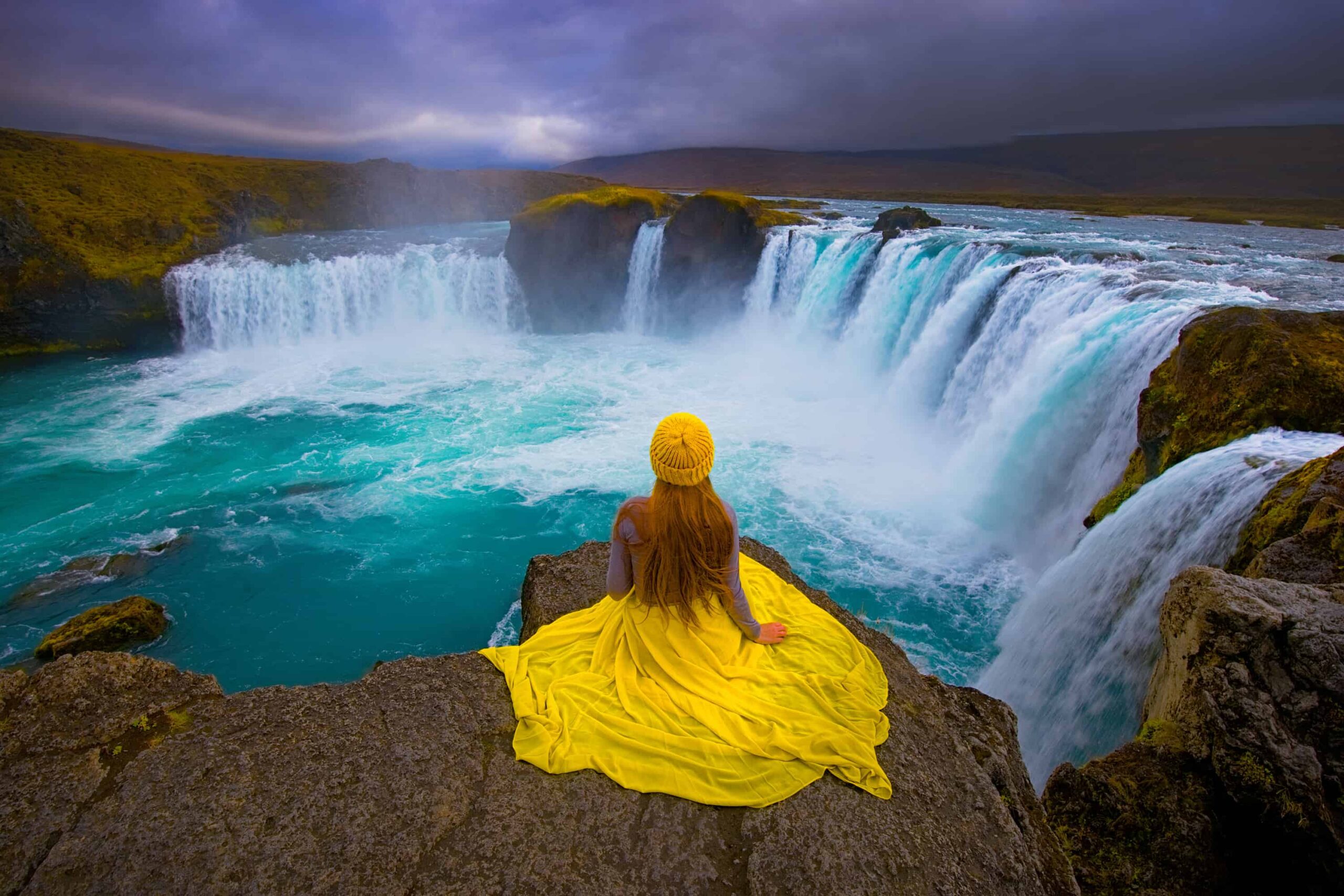
Gullfoss, also known as the Golden Waterfall, is a must-see on your Icelandic tour. This majestic waterfall cascades in two stages into the Hvítá canyon, creating a stunning spectacle as its mist freezes into icy armor on the canyon walls.
Visitors can access a footpath leading to a viewing platform, allowing them to witness the raw power of Gullfoss surrounded by the magical orange glow of the winter twilight.
Exploring Hveragerði and Stokkseyri on your way back to Reykjavik
As you make your way back to Reykjavik, you have the option to stop by the picturesque town of Hveragerði. This charming town is famous for its abundance of greenhouses, botanical gardens, and geothermal activity.
Alternatively, you can indulge in a delectable lobster dinner at the highly acclaimed seafood restaurant, Fjöruborðið, located in the quaint seaside village of Stokkseyri. This village sits within the stunning Þjórsárhraun lava field, offering a unique dining experience in a beautiful setting.
Day 3 – Exploring the South Coast
On the third day of your trip, venture 120 km southeast of Reykjavík to discover the mesmerizing Seljalandsfoss, one of Iceland’s most impressive waterfalls, plunging 60 meters with a haunting yet captivating sound from the towering cliffs into the expansive valley below.
Sourced from Seljalandsá, a glacial river originating in the volcano glacier Eyjafjallajökull, Seljalandsfoss stands out as one of Iceland’s top attractions.
What sets this serene waterfall apart is its cliff formation, allowing you to walk behind the cascading water, entering a misty cavern where you can witness the winter sun beginning its brief journey across the icy horizon.
Seljavellir and Skógafoss
Your next destination is Seljavellir, where you can park your car and follow a simple trail to Seljavallalaug, one of the oldest outdoor swimming pools in Iceland. Constructed in 1923, this pool is situated next to the wet roots of an ancient mountain, drawing in natural warm water that flows from the hillside.
Seljavallalaug stands as a remarkable human-made structure in southern Iceland, offering a unique bathing experience in its lukewarm waters while surrounded by untouched natural beauty of towering cliffs and rugged mountain landscapes.
A short distance from Seljavallalaug is Skógafoss, one of Iceland’s largest and most powerful waterfalls. This majestic waterfall boasts a 25-meter width and a 60-meter drop, creating a spectacle of spray that often forms bright rainbows on sunny winter days.
Following your encounter with Skógafoss, consider visiting the Skogar Museum, a cultural institution preserving over 15,000 regional folk craft artifacts displayed across six historic buildings.
Exploring Myrdalsjokull Glacier: A Unique Experience
Consider ending your day with a guided Sólheimajökull Glacier Walk, where you can venture onto the glacier tongue extending from the Mýrdalsjökull glacier to the vast black sand plains of the southern lowlands.
While no specific skills or experience are necessary for this outing, it provides an opportunity to discover a mesmerizing ice cap teeming with ice formations, water cauldrons, dark rock formations, and deep blue crevasses.
The Ultimate Winter Itinerary for Iceland
Following more than three hours on the glacier, you proceed to the adjacent Vík í Mýrdal, the southernmost village of Iceland. Here, you savor a late dinner and then proceed to check into the lodging you reserved for a night’s stay.
Day 4 – Exploring a Glacier Lagoon and Ice Cave
Begin the day early for a two-hour drive to immerse yourself in a captivating world where every second of daylight is precious.
Embark on a journey 190 kilometers east of Vík to witness the awe-inspiring presence of numerous grand icebergs floating like massive clouds on the stunning azure waters of the Jökulsárlón glacier lagoon.
This serene location exudes ancient tranquility and immense natural force, attracting birds for a peaceful rest and allowing seals to gracefully swim among the towering ice formations that have calved from the Breiðamerkurjökull glacier in the northern region.
The Ultimate Winter Itinerary for Iceland
Jökulsárlón tours are a popular activity in Iceland, especially during the summer high season. In winter, however, the crowds thin out, allowing you to experience the serene beauty of nature in peace.
Embark on a guided tour from Jökulsárlón to Vatnajökull, Europe’s largest glacier, marking the start of your five-day adventure in Iceland.
The Magic of Iceland’s Glaciers in Winter
During the winter season, the glacier ice cap in Iceland reveals a hidden world of beauty. In the summer, meltwater rivers carve intricate ice channels beneath the surface. However, in winter, these channels are drained, unveiling a mesmerizing network of caves, tunnels, and blue arteries to explore.
Ice Cave Tours in Iceland
Experience the rare phenomena of ice caves with a journey into the living icecap on an Ice Cave Tour in Iceland. This once-in-a-lifetime adventure will create lasting memories, only available from November to March, with some tours starting in mid-October.
One of the most breathtaking ice cave tours is located in the Vatnajokull glacier, starting from the Jökulsárlón glacier lagoon. Explore the interior of Europe’s largest glacier and then head to an icy black sand gem south of the lagoon for an unforgettable experience.
Icebergs at Jökulsárlón
When the icebergs of Jökulsárlón melt down, the glacial river Jökulsá á Breiðamerkursandi carries them to sea. Here, they are smoothened by the waves before being deposited on Breiðamerkursandur’s black sands.
The Diamond Beach
During dusk, the ice sparkles in the pink sunlight, turning the black sands into a radiant field known as the Diamond Beach.
Immersing in Nature
Savor the breathtaking panoramic views in the dwindling daylight, inhaling the blend of glacier and sea air before heading back to Reykjavík in the dark.
Northern Lights
Don’t forget to keep watch; the winter sky above might unveil the mesmerizing northern lights.
Day 5 – Farewell from the Reykjanes Peninsula
As you prepare to leave Iceland on your final morning, you gather your belongings, check out, and embark on a journey to the Reykjanes Peninsula. This rugged landscape is home to the Mid-Atlantic Ridge, a volcanic formation that extends from beneath Iceland’s surface to the surrounding oceans.
The Reykjanes Peninsula is a stark and icy expanse that showcases the rift between the Eurasian and North American tectonic plates, which are in constant motion, drifting apart. This region offers a variety of breathtaking sites for you to explore on your last day.
Exploring Reykjanes Peninsula: A Geothermal Wonderland
From east to west, Reykjanes Peninsula is a striking landscape filled with black and red lava fields, explosive craters, and formidable volcanoes. At its southern tip, visitors can find the unique site of Sandvik, where a solitary footbridge spans the gap between the two separating continents, offering a remarkable experience.
Geothermal Marvels
This relatively compact area is teeming with geothermal wonders, including Gunnuhver, the stunning lake Kleifarvatn, and the Seltún geothermal area of Krýsuvík. Here, visitors can witness bubbling mud pots, boiling pools, solfataras, fumaroles, and hot springs that create a vibrant, multicolored display against the icy ground.
Visit the Blue Lagoon
Finish your exploration of the peninsula with a visit to the Blue Lagoon, one of the most beloved spots in Iceland.
Recognized by National Geographic as one of the “25 Wonders of the World” in 2012, this geothermal spa is nestled within a lava field in Grindavík, just a 25-minute drive from Keflavík Airport.
Immerse yourself in the warm, rejuvenating waters under the winter sky, bidding farewell to this unique volcanic land of ice and snow, concluding your memorable winter adventure in Iceland.
Wishing you a pleasant and safe journey home, and hoping to welcome you back on a bright summer day soon.